



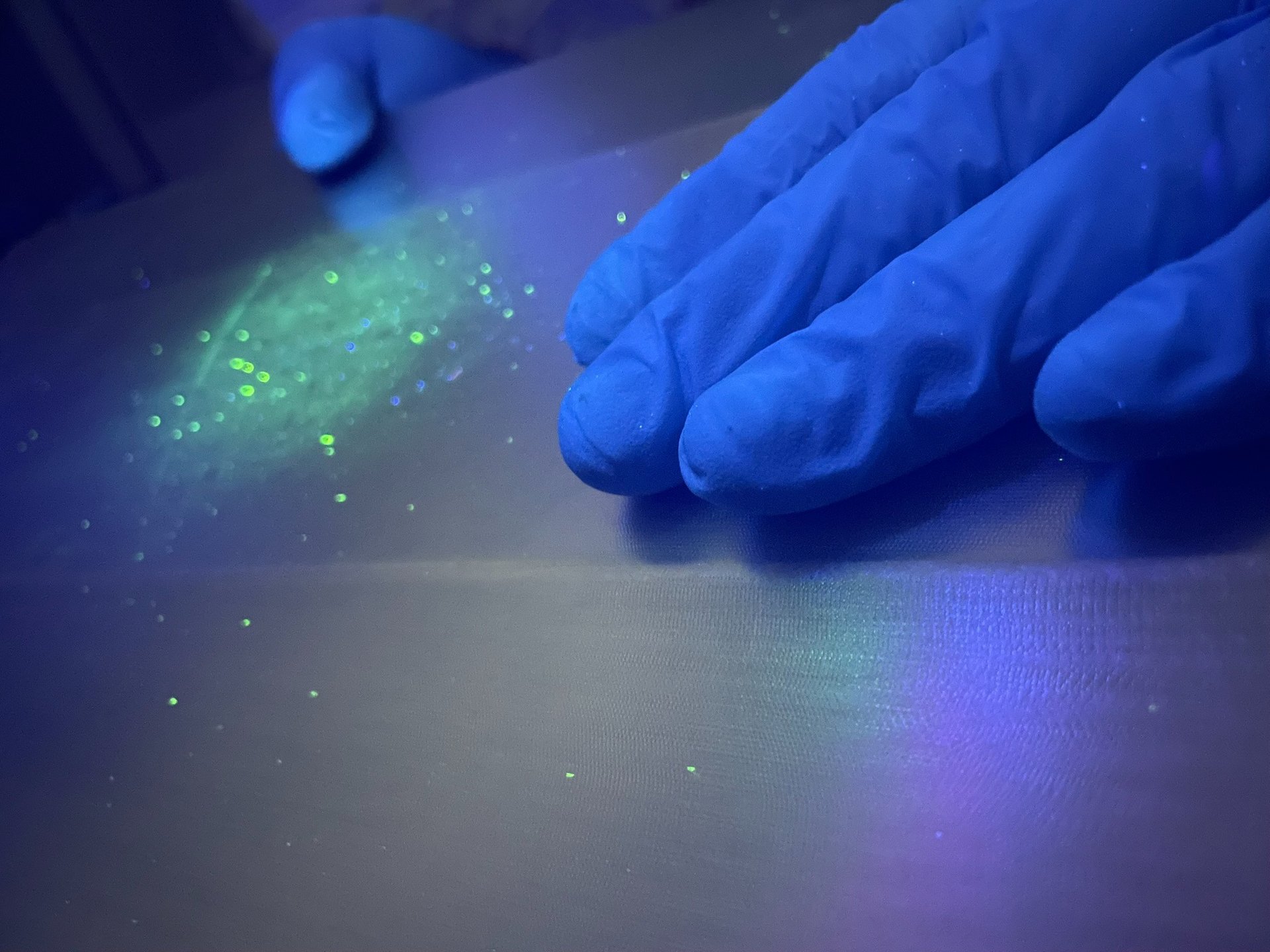
Liquid Penetrant Testing
What is Liquid Penetrant Testing?
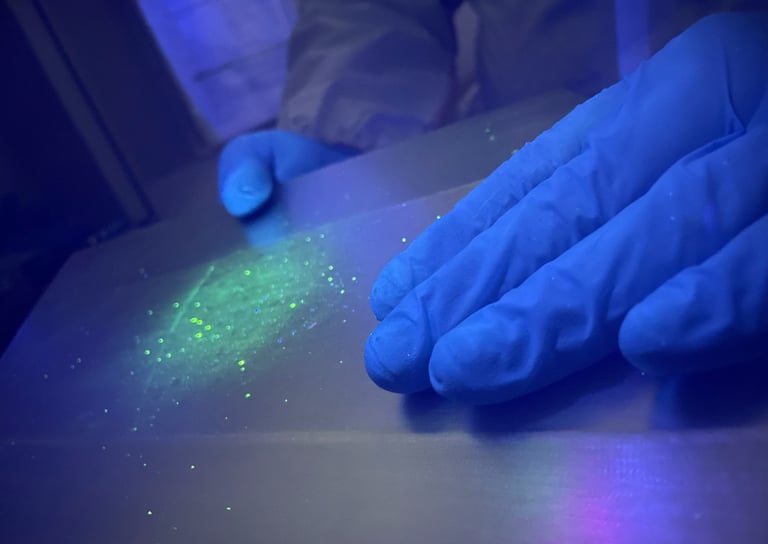
Liquid Penetrant Testing (PT) is a non-destructive testing (NDT) method used to detect surface-breaking defects such as cracks, porosity, and discontinuities. It is especially suitable for non-porous materials such as metals, plastics, ceramics, and other dense materials.
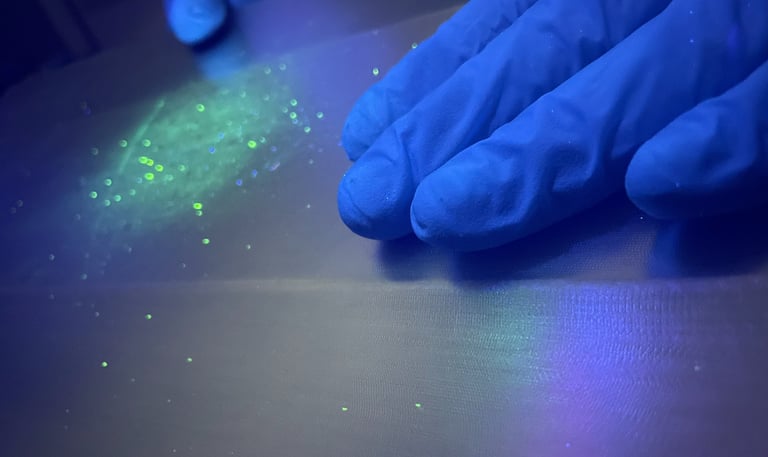
In this method, a low-viscosity penetrant liquid is applied to the surface. The liquid penetrates into surface defects. After a specified dwell time, the excess penetrant is removed, and a developer is applied. The developer draws the penetrant out of the defects, making them visible under visible light or ultraviolet (UV) light.
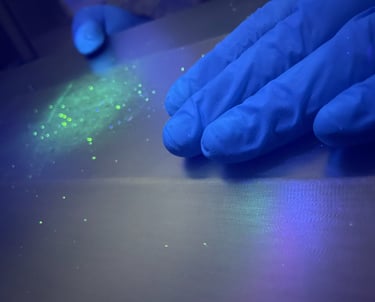
How is Liquid Penetrant Testing Performed?
Surface Preparation
The test surface is cleaned from dirt, oil, grease, paint, and other contaminants. Proper cleaning is essential for accurate results.2. Application of Penetrant
The penetrant is applied evenly to the surface by spraying, brushing, or immersion. It penetrates into surface-breaking defects.3. Dwell Time
The penetrant is allowed to remain on the surface for a specified period. The dwell time depends on the material type and defect characteristics.4. Removal of Excess Penetrant
Excess penetrant is carefully removed from the surface while leaving penetrant trapped inside defects.5. Application of Developer
A developer is applied to the surface. It draws penetrant out of the defects, forming visible indications.6. Inspection and Evaluation
The indications are visually inspected under appropriate lighting conditions (visible or UV light).
The results are evaluated by a certified technician and documented in inspection reports or certification records.raporları veya muayene sertifikaları ile belgelenir.
Contact
Confidence and expertise in quality control.
Address
İzmir/Konak
Yenigün mah.
1314 Sok. No:4-202
info@reformkalite.com
+90 546 229 45 34
© 2025. All rights reserved.